Examining Data Needs for 3pl Audit Software
Choosing 3pl Audit Software calls for more than contrasting functions. Services must first determine whether a platform can approve, organize, and verify the operational and billing details that forms their logistics prices.
A useful examination starts with the information currently produced by carriers, warehouses, transportation management systems, business resource planning platforms, and 3PL companions. Comprehending those resources aids teams identify compatibility spaces prior to implementation.
FreightOptics offers 3pl Audit Software.
Begin With Operational Data Resources
Operational information offers the context required to examine whether a fee matches the solution that was requested and delivered. Appropriate records might consist of delivery dates, beginning and destination places, service degrees, bundle or pallet details, weights, measurements, tracking identifiers, delivery status, accessorial occasions, and storage facility task.
Organizations must examine just how this info is stored and exchanged. Some companions might offer structured data, while others use system integrations, websites, or standardized digital records. During evaluation, confirm whether the software program can bring these sources with each other without calling for extensive guidebook preparation. It needs to likewise preserve vital identifiers so shipment, order, invoice, and delivery records can be linked accurately.
Analyze Invoicing and Contract Details
Invoicing data is central to an audit because invoices include the quantities that require to be evaluated. Vital areas can include invoice numbers, billing dates, shipment recommendations, billed services, base transportation costs, fuel costs, accessorial fees, taxes, credit scores, modifications, and settlement status. For stockroom and satisfaction task, businesses may also need storage space, taking care of, pick-and-pack, getting, returns, and special service fee.
Contract and price information is worthy of equal interest. A system may require to review negotiated rates, minimum fees, dimensional regulations, gas timetables, area interpretations, surcharge conditions, money requirements, and efficient days. Ask how these terms are stood for and preserved, specifically when arrangements differ by provider, customer, facility, lane, or solution type. Clear assistance for versioned rules can help make certain a billing is examined against the terms that applied when the service took place.
Assess Information Quality and Matching Requirements
Also qualified audit software relies on reliable source information. Analysis groups need to check out duplicate documents, missing out on tracking numbers, irregular address styles, contrasting weights, device differences, insufficient accessorial codes, and date or time-zone incongruities. They need to likewise identify which areas are required for matching billings to shipments, orders, agreements, and proof-of-delivery information.
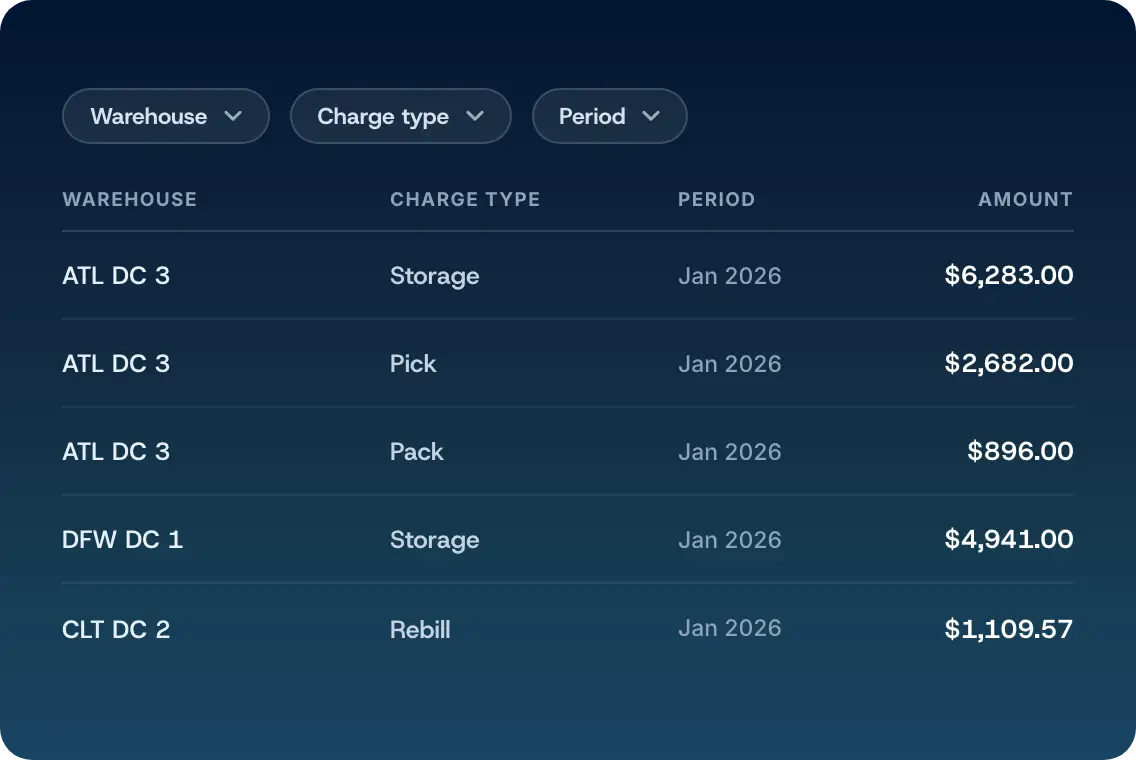
A strong evaluation includes representative samples as opposed to just tidy examination documents. Usage average deliveries, exemptions, returns, worldwide activities, multi-package orders, and billings consisting of credit reports or challenged charges. This exposes whether the system can recognize relationships across documents and discuss why a charge was accepted, flagged, or rejected.
Think About Reporting, Controls, and Information Accessibility
The value of audited data extends past locating specific disparities. Businesses may need summaries by provider, facility, client, service degree, lane, delivery kind, or billing duration. They may also wish to differentiate recoverable mistakes from legitimate charges and check reoccuring concerns. Validate that the software application can give useful reporting while retaining the transaction-level information needed for evaluation.
Information access and administration should become part of the analysis as well. Evaluation user permissions, audit backgrounds, export choices, retention practices, and the capacity to record decisions or adjustments. These capacities sustain collaboration amongst logistics, financing, procurement, and operations teams without losing the initial record or the 3pl Audit Software reasoning behind a modification.
Develop an Examination List
Prior to selecting a platform, create a checklist that maps each required data resource and field to a company purpose. Include operational occasions, invoices, rate agreements, account structures, exception codes, and reporting needs. Tape the expected format, update frequency, liable owner, and any type of transformation called for prior to the information can be made use of.
FreightOptics supplies 3rd Party Logistics Audit solutions, and its 3pl Audit Software can be taken into consideration alongside the company's existing systems, partner requirements, and audit processes. A focused review of data requirements assists businesses select software program that fits their operational atmosphere and supports consistent, explainable payment evaluation.
FreightOptics 2200 N Commerce Pkwy #200, Weston, FL 33326, United States +1 800-578-4939