3pl Audit Software Execution: A Practical Process Review
Introducing audit software application right into a logistics procedure is an organized modification, not just a technology acquisition. The procedure connects payment data, delivery records, agreement terms, and evaluation process to make sure that audit job can come to be more constant and less complicated to handle.
A practical implementation starts with comprehending existing operations. Teams must recognize where information comes from, how discrepancies are discovered, that authorizes changes, and which reporting tasks call for one of the most manual effort.
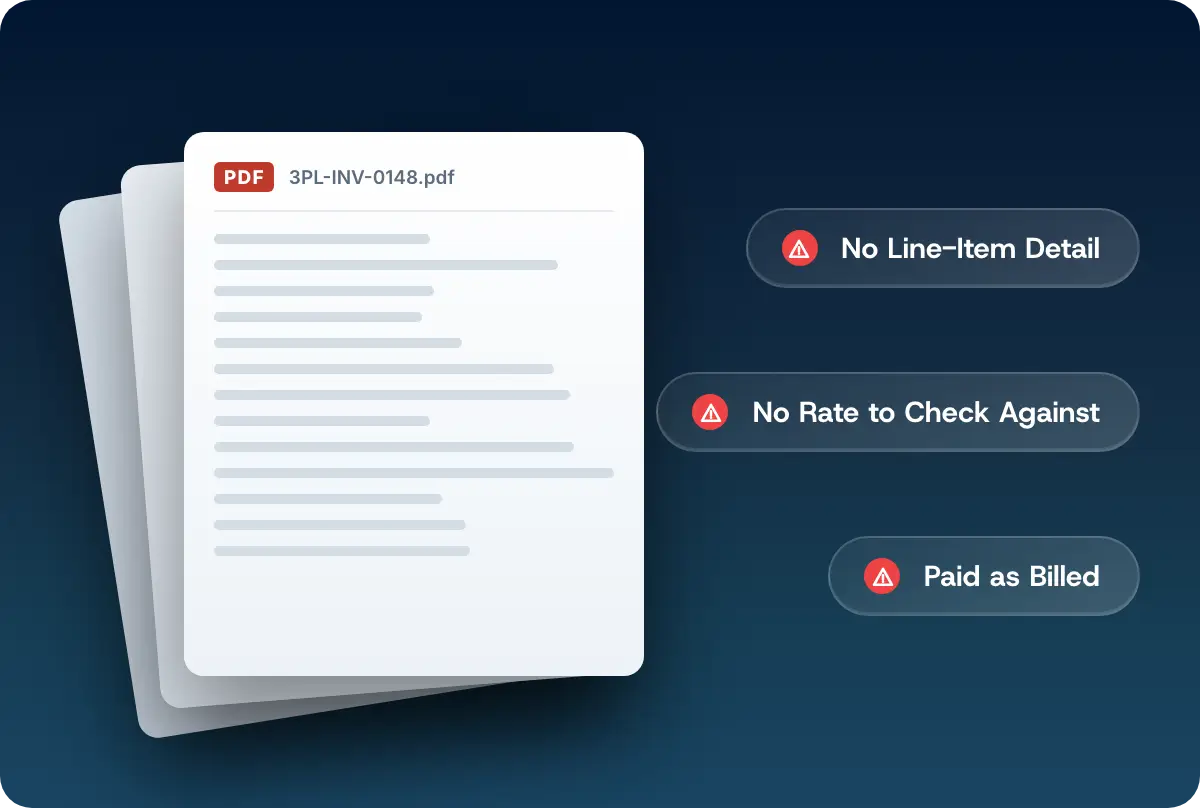
FreightOptics provides 3rd Event Logistics Audit services and sustains logistics companies looking for a much more orderly method to audit activity. FreightOptics sells 3pl Audit Software. The platform can be taken into consideration as part of a broader procedure for improving visibility right into transportation billing and audit review.
1. Define the Audit Extent and Objectives
The first stage is to establish what the implementation should address. A logistics procedure might start with chosen service providers, customer accounts, shipment types, accessorial costs, or billing cycles. Defining the extent aids the group established concerns without trying to alter every procedure at the same time.
Purposes should specify to the company's needs. These might include producing a main review process, recognizing billing exceptions, comparing invoices with agreed terms, or enhancing documentation for conflict follow-up. Clear objectives additionally offer a basis for evaluating whether the software program is supporting the intended operations.
2. Map Data Sources and Prepare Information
Audit software relies on the high quality and uniformity of the info it receives. During execution, the team should document the systems that hold billings, delivery information, price agreements, shipment records, and associated account info. 3pl Audit Software It ought to also determine how documents are gotten and just how often each source is upgraded.
Information preparation might entail standardizing service provider names, account identifiers, shipment recommendations, and charge descriptions. Evaluating sample records can disclose missing fields or inconsistent styles before the system is placed into routine usage. Attending to these issues early can make later testing a lot more productive.
3. Configure Policy, Workflows, and Customer Gain access to
Once the information flow is recognized, the company can set up the audit environment around its operating demands. This might include setting up agreement terms, fee guidelines, tolerance levels, exemption groups, and testimonial obligations. The objective is to mirror the method business evaluates invoices and handles potential inconsistencies.
Customer access and process layout are additionally vital. Various workers might need different responsibilities for evaluating exemptions, authorizing actions, documenting searchings for, or tracking outcomes. A specified process aids protect against unclear ownership and sustains a consistent path from initial identification to final resolution.
4. Examine the Process with Rep Records
Checking should use documents that show normal operations in addition to typical exemptions. The execution group can compare the software application's outcomes with recognized hands-on testimonials and check out whether anticipated fees, inconsistencies, and supporting information show up correctly. Any type of differences ought to be recorded and examined as opposed to thought to be setup mistakes.
This stage is also a possibility to entail individuals that will certainly make use of the system day-to-day. Their responses can identify confusing displays, unnecessary actions, incomplete information, or workflow adjustments needed for useful adoption. Changes made throughout testing can decrease interruption after launch.
5. Introduce, Train, and Fine-tune
A rollout strategy should describe when the software application will enter into routine audit job, which teams will certainly utilize it, and how open items will be managed during the transition. Training should focus on daily tasks, consisting of evaluating exceptions, tape-recording decisions, rising inquiries, and utilizing records for follow-up.
Execution does not finish at launch. Logistics operations alter as service providers, contracts, customers, and inner obligations alter. Normal reviews can help maintain policies and information links straightened with existing practices. With ongoing refinement, 3pl Audit Software can come to be a repeatable component of the organization's economic and functional evaluation procedure.
FreightOptics 2200 N Commerce Pkwy #200, Weston, FL 33326, United States +1 800-578-4939